National Association of Adult Survivors of Child Abuse
National Association of Adult Survivors of Child Abuse
~~~~~~~~~~~~~~~~~~~~~~~~~~~~~~~~~~~~~~~~~~~~~~
NAASCA Resources
- Intervention -
Prevention and Intervention -- Here are resources and information to help stop child abuse ASAP.
This section of the web site will be devoted to offering news and information dedicated to helping the community become more engaged and committed to helping those currently suffering from child abuse and other related criminal activity.
To my mind, being of service to those who still suffer is a vital part of my recovery.
Children are born as blank slates, completely innocent, vulnerable and malleable. They have no internal 'manual for growing up' so
teaching them 'Prevention' (giving them age appropriate information about abuse issues) is an adult activity, an adult responsibility.
We're impacted as kids, imprinted, by the human interactions they experience as youngsters, starting at birth. That's when the very foundation of the rest of our lives is formed. As youth we accept our lives as 'normal,' at least until we're able to compare our upbringing with what we see in others.
We simply know no difference.
The vast majority of abused children will be assaulted by adults they should be able to trust. About 60% of the sexually abused (conservatively 1 in 4 girls and 1 in 6 boys) will suffer at the hands their own family or extended family (mom or dad, an older sibling, grandpa, Uncle Joe or mom's new boyfriend, etc.). Another 30% will be abused by caregivers (teachers, ministers, coaches and babysitters, etc.), adults we expect will be trustworthy. A mere 7% are abused though 'stranger danger.'
That's why all adults are responsible for all kids. We implore parents to resist any reluctance to teach 'Prevention' to their children, starting as toddlers and throughout their youth. And because so many kids are abused in the home, NAASCA believes all schools should be doing this too, from Kindergarten through 12th grade.
~~~~~~~~~~~~~~~~~~~~~~~~~~~~~~~~~~
Here's an excellent example that can be used for very young kids:
Preventing Child Abuse
NAASCA recommends My Body Is My Body
.. a musical child abuse Prevention Program
Here's one of the most successful, positive and fun-filled musical 'body safety' programs around. The program has now been animated, so that it can be shared with children in schools, nursery schools, sports facilities and homes alike.
The program is FREE to everyone is currently being translated into several different languages, so we can keep children around the world safer.
Are you looking for a way to teach young children about child abuse prevention, but you don't know where to start?
Well look no further! This child abuse prevention program contains activities to teach child musically and in a fun-filled way. And it's for children all around the world!
The 'My Body Is My Body' Program will give you a step by step easy way to approach this subject through fun animated songs. This simple program will give you a way to empower children and wilol help you open the lines of communication.
They even offer a FREE workbook you can download here!
April 10, 2015 -- New statistics just released from the Mayo Clinic show that approximately 3.5 million reports of child abuse and neglect are reported each year involving over 6.4 million children.
Of these reports, 2.1 million referrals were screened in (or accepted) for further investigation involving 3.2 million children.
Close to 680,000 children were confirmed as abused or neglected. Babies in their first year of life had the highest rate of victimization.
Do we Americans really need any more of a reason to participate in the fight against child abuse?
~~~~~~~~~~~~~~~~~~~~~~~~~~~~~~~~~
Protecting Child Welfare and Preventing Abuse:
A Guide for Social Workers and Educational Professionals
Children and adolescents rely on their parents, caretakers, and other trusted adults to ensure they are safe, happy, and supported. They are among the most vulnerable members of society, and that leaves them open to mistreatment by the people who are supposed to care for them.
Child abuse is a monumental issue that affects millions of people throughout the country.
According to the 2017 Child Maltreatment Report, nearly 700,000 children are abused — and almost 2,000 die — as a result of abuse in the United States each year.
Maryville University Online wants to help educators and social workers continue to understand what child abuse is, how it's defined federally and state by state, and how to recognize signs of an abused child. The guide goes through each of those points, as well as defining specific types of abuse and maltreatment, and lists some steps to help protect children.
Preventing child abuse can be difficult, especially since we often feel helpless against widespread abuse. So we created this one-stop guide to promote child abuse prevention by compiling a complete list of resources as an information gateway. We have included tips to educate adults around children, information about the different causes and forms of abuse, and how to respond when you suspect child maltreatment.
I was abused as a child but was able to rise above my troublesome past to become a functioning adult. Unfortunately, it isn't always easy to overcome a painful childhood, and as a result of their abuse, many children grow into insecure, dysfunctional adults. As a father of two small children, I wanted to make sure to end the cycle of abuse. I know the importance of teaching my children how to protect themselves by educating them on what is okay, and what is not okay.
There are no easy answers, but hopefully, this guide can help you spot child abuse, such as the shaken baby syndrome, or spot children that have been neglected, provide information about prevention programs, and learn the steps to report the abuse to child welfare services.
Child molestation usually begins with a sex offender gaining a child’s trust and friendship. The offender then begins “testing” the child’s ability to protect himself by telling sexual jokes, engaging in horseplay, back rubs, kissing or sexual games.
If the child appears comfortable or curious about this type of behavior, (and most healthy, normal children are) the offender will slowly increase the amount and type of touching to include more direct sexual touching. Child sexual abuse can include exposing, fondling, masturbation, oral sex, intercourse and pornography.
The STANDARD of abuse prevention and child / youth protection for organizations!
Plan to Protect provides the HIGHEST STANDARD of abuse prevention and protection to organizations servicing the vulnerable sector, a great way of helping you identify where your organization currently stands against the standard of protection we recommend.
The other services we offer to organizations to help them achieve a high standard of protection are fee based services. Organizations can check those out at www.plantoprotect.com
~~~~~~~~~~~~~~~~~~~~~~~~~~~~~~~~~
Kids do not self-report
Intervention is an adult activity - for individuals
Recognizing child abuse and trauma isn't always easy, but it's an adult responsibility. Kids do not self-report.
Many times there are few obvious physical marks on a child, so the first step is to learn what to be aware of. The most typical things to watch for are changes in behavior, attitudes and performance, and these can be a little different for very young kids and those who are slightly older.
Next, adults need to learn how to talk to children in a non threatening way. Again there are slightly different techniques for very young kids, for those who are a bit older and for teens. Try not to over-react or express anger to what you're learning while you talk to a child.
Re-assure the youngster that they are not in trouble, and have done nothing wrong themselves. Kids are already deeply reluctant to discuss these confusing and painful experiences, and may have been warned by their abuser that harm will come to them or their family if they tell.
Finally, when an adult has enough of the story to be suspicious of abuse we need to know how and where to report it. Ultimately the in-depth investigation of the crimes of child abuse is most appropriately a job for the professional child welfare worker or law-enforcement. But officials rely on the community to do the initial reporting. Without our tips, predators will continue to abuse our children with impunity. Obviously an immediate response is preferred when a child is in an emergency situation, and that's a call to 9-1-1. But many abuse cases should be reported through non-emergency "tip lines" like 1-800-4ACHILD
Indicators of sexual abuse
Children often show non-physical signs that they have been sexually abused. Experts say some kids may show many of these signs, while others only a few. Below is a list of some symptoms of sexual abuse and trauma in children that don't include obvious physical signs such as venereal disease and pregnancy.
Indicators of sexual abuse in young children include:
NOTE: For a list of many more of the signs and symptoms of the sexually abused child, to learn why most children will more than likely not tell, and to find out
what sexual predators do / say to silence children ..please visit Susan Suafoa-Dinino's:
www.speakingout-csa.com/signssymptoms.html
~~~~~~~~~~~~~~~~~~~~~~~~~~~~~~~~~
"Learn the signs" -- from OneWithCourage.org
1. Unexplained Injuries Visible signs of physical abuse may include unexplained burns or bruises in the shape of objects. You may also hear unconvincing explanations of a child's injuries.
6. Changes in sleeping Abused children may have frequent nightmares or have difficulty falling asleep, and as a result may appear tired or fatigued.
2. Changes in behavior Abuse can lead to many changes in a child's behavior. Abused children often appear scared, anxious, depressed, withdrawn or more aggressive.
7. Changes in school performance and attendance Abused children may have difficulty concentrating in school or have excessive absences, sometimes due to adults trying to hide the child's injuries from authorities.
3. Returning to earlier behaviors Abused children may display behaviors shown at earlier ages, such as thumb-sucking, bed-wetting, fear of the dark or strangers. For some children, even loss of acquired language or memory problems may be an issue.
8. Lack of personal care or hygiene Abused and neglected children may appear uncared for. They may present as consistently dirty and have severe body odor, or they may lack sufficient clothing for the weather.
4. Fear of going home Abused children may express apprehension or anxiety about leaving school or about going places with the person who is abusing them.
9. Risk-taking behaviors Young people who are being abused may engage in high-risk activities such as using drugs or alcohol or carrying a weapon.
5. Changes in eating The stress, fear and anxiety caused by abuse can lead to changes in a child's eating behaviors, which may result in weight gain or loss.
10. Inappropriate sexual behaviors Children who have been sexually abused may exhibit overly sexualized behavior or use explicit sexual language.
Often starting in youth, child abuse victims turn to substance abuse, mostly to ease their pain. It's one thing to drink alcohol casually with a couple of friends. It's another to drink until you black out. Binge drinking occurs when an excessive amount of alcohol is consumed in a short time span. Drinking excessive amounts of alcohol could potentially lead to long-term health complications and alcohol poisoning.
Even with widespread campaigns to warn people against the dangers of excessive alcohol abuse, more people than ever are drinking excessively. The main reason being that alcohol is still viewed as a way to loosen up and have fun. College culture certainly doesn't help the war on alcohol abuse, where young adults are encouraged to drink at excessive levels just to have fun.
I was astonished recently when a lovely, successful middle-aged man I know shared with me that during the years he was growing up he suffered some pretty harsh child abuse. He described the abuse in some detail, literally bringing me to tears.
I was moved by his story especially because I knew him during those years. I was enough older that I was an adult when he was yet a 12-year-old. I knew him during the years when this abuse was occurring regularly. I might have been able to help.
And I didn't suspect a thing.
Moving through my own guilt about this, I have looked into the signs of child abuse that I might have missed. Sure enough, he did exhibit some of these characteristics, but I never connected the dots.
Every 10 seconds, child abuse is reported. Everyday, four to seven children die from child abuse and neglect. As unfathomable as it is to ever think someone would want to hurt a child, sadly, it's happening. What's even more heartbreaking is that many children are suffering in silence as their parents have no idea they're being victimized.
"We currently live in a day and age where abuse is on the rise and children are falling victims on daily basis, without their parent's awareness," notes Kemi Sogunle, award-winning author and founder of the nonprofit Love Not Hurt. As moms and dads, it's our job to do our best to protect our kids.
No matter how uncomfortable the subject of child abuse is, it needs to be discussed.
Here are common warning signs for parents to look out for, and steps moms and dads can take to help keep their children safe.
Common Misconceptions About Child Sexual Abuse
Child Sexual Assault Statistics
Recognizing Signs Of Sexual Abuse
Helping Your Child Who Has Been Sexually Assaulted
Childhood Sexual Abuse and University/College Women
The Impact of Child Sexual Abuse
In 1964, President Lyndon Johnson declared a War on Poverty in his State of the Union Address. Fifty years later, how have American children fared? CDF's new report The State of America's Children 2014 finds child poverty has reached record levels and children of color are disproportionately poor. This is a comprehensive compilation and analysis of the most recent and reliable national and state-by-state data on population, poverty, family structure, family income, health, nutrition, early childhood development, education, child welfare, juvenile justice, and gun violence. The report provides key child data showing alarming numbers of children at risk.
by Christopher M. Anderson - Executive Director of MaleSurvivor.org
Adverse childhood experiences are a public health crisis affecting more Americans than diabetes and heart disease combined.
Many people instinctively understand that compassionate support is important for people who have lived through abuse and trauma, but instinct can make for a poor teacher. Our initial response to a survivor's disclosure can have a profound impact on his chances for recovery.
by National Center for Injury Prevention and Control
Division of Violence Prevention
Child Maltreatment
• In 2011, U.S. state and local child protective services (CPS) received an estimated 3.7 million referrals of children being abused or neglected.
• CPS estimated that 681,000 children (9.1 per 1,000) were victims of maltreatment.
• Of the child victims, 79% were victims of neglect; 18% of physical abuse; 9% of sexual abuse; and 10% were victims of other types of maltreatment including threatened abuse, parent’s drug/alcohol abuse, or lack of supervision.
• CPS reports of child maltreatment may underestimate the true occurrence. Non-CPS studies estimate that 1 in 7 U.S. children experience some form of child maltreatment in their lifetimes.
• Between 1990 and 2010, CPS-reported rates of sexual violence declined 62%, physical abuse declined 56%, and neglect declined 10%.
• The total lifetime economic burden resulting from new cases of fatal and nonfatal child maltreatment in the United States is approximately $124 billion.
EDITOR'S NOTE: It is our experience that the "grooming" a child is only half the story. Many pedophiles are extremely clever, often charming, patient people, frequently thought of as among the most valued of community members. That's because they spend a lot of time grooming the parents, friends and neighbors of the children around them, just as they groom the kids themselves. It's not unusual for pedophiles to pick careers and / or volunteer positions that will deliberately place them in close proximity to the youngsters they crave. They'll then proceed to impress (or "groom") the adults around them by becoming the most reliable on-call volunteer, the most generous friend, the most giving neighbor or the favorite relative. Their presentation makes them seem to be completely sincere, among the most trustworthy and valuable community members. Parents of molested kids will often be shocked at their own naivety, but pedophiles are as clever as can be in grooming the adults around them, too.
from Carl Hart - NAASCA volunteer
September 20, 2011
An excellent article from: Darkness to Light
You can help protect children by understanding how sexual predators go about preparing a child for abuse.
Called "grooming," it involves actions and behaviors that allow the perpetrator to build trust with the child and often the parents as well. Grooming typically takes place over time and prior to the actual abuse.
Clint Van Zandt served with the FBI for 25 years and has been party to high-profile conflicts as the Waco siege, the Oklahoma City bombing, and Unabomber.
Now he offers crucial information for your family about the threat our children face in today's society.
Each FREE DVD includes a Child ID Kit where you can store your child's photo, fingerprints and DNA information. This DVD can save your child's life.
Dr. Van Zandt is a popular television and radio commentator concerning crime and human behavior. He's been interviewed on numerous shows and programs. This is some of the most comprehensive family security information available. This vital resource can be easily shared on Facebook and Twitter. Also consider his books and other security products: CLICK HERE
~~~~~~~~~~~~~~~~~~~~~~~~~~~~~~~~~
In 1996 the U.S. Congress made a grant to the National Center for Missing & Exploited Children (NCMEC) to establish an Exploited Children Division. The Exploited Children Division serves as a resource center for the public, parents, law enforcement, and others about the issues surrounding the sexual exploitation of children. Since then, many organizations have done some excellent work.
The Ultimate Parent Guide for Protecting Your Child on the Internet
Read the article and then download this TIP SHEET (pdf)
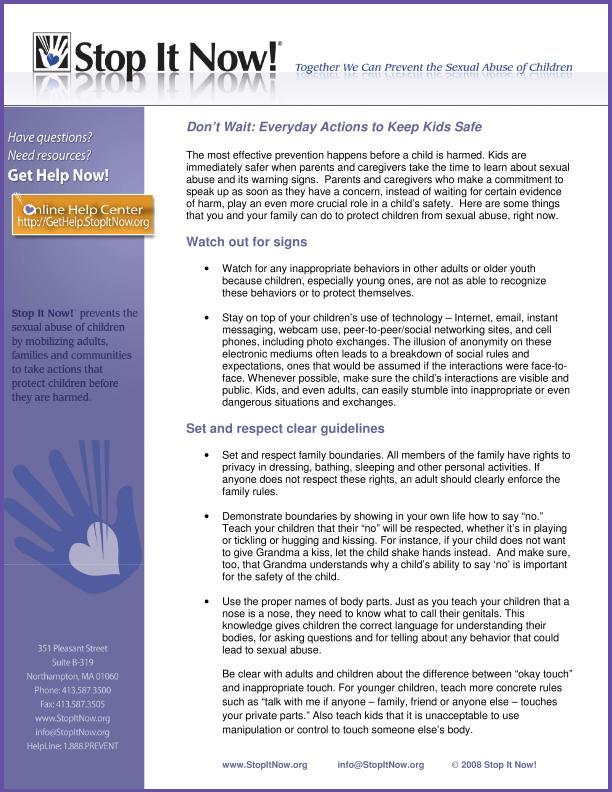
EDITOR'S NOTE: We highly recommend the many resources, tip sheets and valuable available through the "Stop It Now!" non profit web site:www.StopItNow.org
A neighbor tells you about a “pedophile down the street”, you learn of a “sexual predator” who's a member of your faith community, the local paper reports on “child molesters hanging around” at your kid's school. What can you do?
You thought your neighborhood was pretty safe. Suddenly, your sense of security is shaken. Media stereotypes about people who sexually abuse children can make it all seem overwhelming. You needn't be overwhelmed.
Start by learning the facts. Accurate information about the situation can help you turn fear into confidence that you really can keep your family safe. Here are some other things you can do to help make you feel secure again.
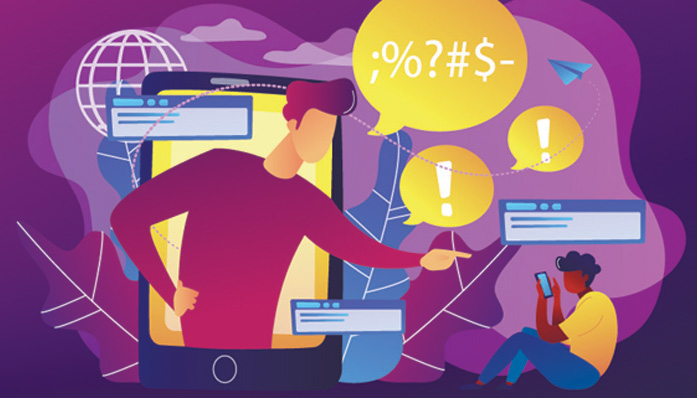
Bullying can cause serious physical, emotional and mental negative effects for the short term, but these effects can also last a lifetime. Bullying can be experienced by children and adults alike.
It's scary reading the statistics of childhood bullying. Bullying is, at it's core, one person exploiting a power differential over another. In other words, one person treating another poorly because it makes them feel powerful or in some way better about themselves. It's been around forever, and it happens between children and adults alike.
These days, even middle school aged children are heavily entrenched in social media and other platforms that can be used as an additional avenue for bullying. Cyber Bullying can have serious real world repercussions. In one study, high school students who were targets of cyberbullying were almost twice as likely to have attempted suicide.
Keeping safe online is extremely important but the increasing popularity of social media platforms combined with kids spending more and more of their time on computers, tablets and smart phones it can feel like an overwhelming situation for parents and teachers.
While technology keeps family and friends connected and offers educational and meaningful opportunities, it also has a darker side. Cyberbullying, or online bullying, can happen anywhere at any time but fortunately, there are ways you can safeguard your children from online threats. This guide will help you to understand what cyberbullying is and what you can do about it.
Digital technology is quickly becoming ubiquitous in our society. The vast majority of individuals now travel with at least one device on their person. This has its advantages, as people can gain access to real time information as well as communicate with social contacts and business associates. It is also useful for day to day activities such as travel times, geolocation and weather information. And this trend is going to continue as new technology continues to be developed.
It can be difficult to supply a technical definition of what constitutes cyberbullying. This is due to the fact that cyberbullying is often a subjective phenomenon. The bully may not be aware that what he or she is doing is actually cyberbullying, and may even think that it is a joke. And the child could simply be more sensitive than others. Cyberbullying, like bullying in person, can be very difficult to understand and troubleshoot.
Here's a
just-launched guide to help parents, caregivers and educators protect children's privacy online. This
valuable internet safety resource is a guide that tackles the issue of online privacy which includes protecting children from online predators and things like preventing identity theft (the FTC estimates that close to 3.5m children have had their SS number stolen for example).
It's time to have the talk with your child. You peeked at their browser history and, well, it's time. It's going to be awkward and uncomfortable for both of you, and things have changed a lot since you were that age. But better to hear it from a parent than learn it from a stranger or God-knows-who online.
No, not that talk. It's time to discuss online privacy with your kids. Find out the ways to minimize the risks of the household computer becoming compromised.
Before technology, bullying typically occurred at school and in your local neighborhoods. However, today children, teens, and young adults have access to phones, computers, tablets, and other devices that connect them to the internet 24/7. This constant access to the internet has created a new realm for bullies known as cyber-bullying, causing victims to experience depression, anger, humiliation, and even suicidal thoughts.
Cyber-bullying occurs when someone or groups of individuals use online communication to harass, humiliate, and threaten someone else. Before handheld technology was widely available, bullies taunted their victims in person. The victims were usually smaller than their bullies in size and strength, but today, if an internet connection is available, cyber bullies target anyone regardless of their physical or mental attributes. Unlike a traditional bully, you may not even know their identity due to the anonymity of the internet. Unfortunately, cyber-bullies can target and torment others every hour of the day because the internet is an endless connection of technology.
According to a study in the U.S, the age of users accessing the internet has decreased greatly. About 80 percent children under 5 years of age utilize internet on weekly basis. In addition, as the children become older, their use of the internet is increased. \
In the U.S, about 42 percent and 36 percent of 8-11 years old boys and girls utilize internet multiple times a day, where one-fifth do it on daily basis. More than 90 percent of teens go online on daily basis including 25 percent who claim to be online constantly.
Today, a large number of devices offer access to internet. These devices include the laptop, desktop, mobile phones, smartphone, tablet, and more handheld devices.
Do you wonder what dangers our children face online? Do you read news reports about online predators and scammers and want to teach your kids to protect themselves? Looking to gain control over what your child can and can't view online?
I'm sure you will agree with us when we say protecting children's privacy online can often be overwhelming.
The internet is constantly changing and new dangers pop up every month. Criminals change tactics frequently and last year's defenses sometimes just don't work anymore.
In this guide, we outline some of the issues facing modern parents today and provide step-by-step instructions on how to protect your loved ones.
While your kids might be experts at the technology, they're not experts at evaluating risk.
You already know that, without guidance, children can be easily manipulated into smoking, drinking, speeding, bullying, and, of course, jumping off of cliffs because all their friends are doing it.
Just as in the off-line world, you need to provide guidance, set boundaries, and, depending on your child's age and maturity level, implement some safeguards.
You also need to be aware of where the threats are coming from.
~~~~~~~~~~~~~~~~~~~~~~~~~~~~~~~~~
Internet Safety 101
- many tools to inform / protect -
NAASCA wants to provide helpful info and tools that aid in the fight against all kinds of child abuse and trauma. The world of the Internet is it's own universe, and kids are often far more adept than we adults in using it.
We're delighted to recommend the work being done by Enough Is Enough through their Internet Safety 101 project.
When children go online, they have direct and immediate access to friends, family, and complete strangers, which can put unsuspecting children at great risk. Children who meet and communicate with strangers online are easy prey for Internet predators.
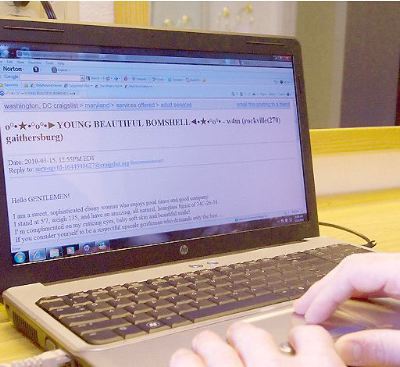
Predators have easy and anonymous access to children online where they can conceal their identity and roam without limit. Often, we have an image of sexual predators lurking around school playgrounds or hiding behind bushes scoping out their potential victims, but the reality is that today's sexual predators search for victims while hiding behind a computer screen, taking advantage of the anonymity the Internet offers.
~~~~~~~~~~~~~~~~~~~~~~~~~~~~~~~~~
Internet Crimes Against Children- ICAC by Dr. Frank Kardasz
For the first time in history, law enforcement officers in the 21st century possess proactive methods to identify and bring to justice those who sexually abuse minors. In years past, law enforcement had to wait for reports of child abuse before investigations could begin. But today, using innovative undercover techniques and the Internet, investigators can proactively seek out and apprehend offenders. Although this is one of the greatest advancements in the history of the enforcement of crimes against children, investigators still cannot take full advantage of the innovations. More resources are needed.
~~~~~~~~~~~~~~~~~~~~~~~~~~~~~~~~~
Ultimate Parent's Guide to Internet Safety The Internet has brought us a great many things in the virtual space. In fact modern society wouldn't be able to run without it. But just like the physical world it can be a dangerous place for our children, especially if they're not taught the rules and codes of how to navigate social media and the web safely. When 97 percent of under 4s have used a mobile device at least once, it's clearly impractical to ban them from the net altogether. It's just not possible and would be a disservice to their education and adjustment to the world around them. However too much Internet use can also lead to a number of health and social problems. The following infographic looks at the facts and figures regarding children and the Internet, while offering tips and tools to encourage a safe and productive online environment.
~~~~~~~~~~~~~~~~~~~~~~~~~~~~~~~~~
Please contact us if you have any information to help in the fight against child exploitation. Your information will be forwarded to law enforcement for investigation and review and, when possible, to the appropriate Electronic Service Provider(s). Reports may be made 24-hours a day, 7 days a week online at www.cybertipline.com or by calling 1-800-843-5678
The Virtual Global Taskforce (VGT) is made up of law enforcement agencies from around the world working together to fight child abuse online.
The aim of the VGT is to build an effective, international partnership of law enforcement agencies that helps to protect children from online child abuse.
The primary goal of all National Children's Alliance (NCA) children's advocacy centers is to ensure that children disclosing abuse are not further victimized by the intervention systems designed to protect them.
Child abuse and neglect are a major problem – and a major concern – for communities throughout the United States. We all know that the problem exists. The real question becomes “What happens to a child victim once he or she discloses?”
Often, agency personnel from law enforcement, child protective services, prosecution, medical, victim advocacy and mental health services will respond to child abuse cases. Traditionally, each agency or professional has a different role in the investigation and intervention process. Sometimes, their efforts to fulfill these roles will result in multiple interviews of the victim – and in re-traumatizing the victim they are seeking to assist.
In the past, there was no mechanism for coordinating these services. In 1985, however, a quiet revolution took place with the establishment of the first children's advocacy center in Huntsville, Alabama. Now, instead of the child victim navigating a difficult and confusing system of multiple, repetitive interviews, the system could be brought to the child. Children's advocacy centers (CACs) are modeled on the simple but powerful concept of coordination between community agencies and professionals involved in the intervention system.
Darkness To Light - Darkness to Light (www.D2L.org) is a nonprofit devoted to preventing sexual abuse of children, with the mission to empower people to prevent child sexual abuse.
Their programs raise awareness of the prevalence and consequences of child sexual abuse by educating adults about the steps they can take to prevent, recognize and react responsibly to the reality of child sexual abuse.
Since 2000, some 250,000 people-teachers, police officers, coaches-nationwide have participated in the training program, which is also available online, learning how to recognize signs of abuse.
Just Tell was created to educate and empower children and adults around the issue of childhood sexual abuse.
Through the kids' pages, we encourage children who are being sexually abused to choose an adult in their life who they trust, and to tell that adult about the abuse.
We believe we are the first organization in the United States to create and disseminate public awareness campaigns directly aimed at children who are being sexually abused.
Through the adult pages of the website we help to educate the adult the child discloses to so that they will better understand what to do to help that child.
Just Tell visualizes a world in which children who are molested immediately turn to a trusted adult figure in their lives and tell them of the abuse.
That trusted adult has information to help the child though the next steps so that the abuse is stopped and the abuser is prevented from harming other children.
a global nonprofit leader in personal safety education
by Bill Murray
EDITOR'S NOTE: Kidpower founder, Irene van der Zande, was our special guest on our Internet-based "Stop Child Abuse Now" talk radio show on March 9, 2012. To listen to the showCLICK HERE
We feel privileged at NAASCA to be able to recommend non profit efforts like Kidpower, that take a positive, skills-based approach to violence and abuse prevention.
Kidpower describes itself as a non-profit leader in bullying prevention, child abuse prevention, stranger awareness, and personal safety for children, teens, and adults, including those with special needs.
~~~~~~~~~~~~~~~~~~~~~~~~~~~~~~~~~
Resources for Parents & Guardians
The following information also comes from the National Center for Missing and Exploited Children:
We want to help you protect your children by teaching them to be safer and make smart decisions. The best way to combat sexual exploitation and abduction is to prevent it.
Safety Game - from the FBI - an adventure game for kids to learn about online safety. It's a fun way to get kids thinking about online safety without having a lot of pages of tips to read.
Teachers - Register by visiting the Teacher Sign-Up page. Then click the Teachers link, read the instructions, and download the step-by-step guide.
Students - Click the Students link and read the instructions. Then visit the island for your grade level, complete all of the games, and click the surfboard to take the test.
~~~~~~~~~~~~~~~~~~~~~~~~~~~~~~~~~
How Do I Teach My Child About Personal Safety
by Nancy McBride, National Safety Director
Many parents and guardians feel challenged to keep their children safer in our fast-paced and global society. They may wonder at what age they can begin teaching their children about personal safety.
Unfortunately, “one size” doesn't fit all. A child's ability to understand safety skills and put them into practice is determined not just by age, but also by the child's educational and developmental levels.To truly learn new safety skills, children need to model, rehearse and practice the skills to incorporate them into their daily lives.
Speak to your child in a calm and reassuring way. Fear is not an effective teaching tool; confidence is.
Speak openly about safety issues. If you approach child safety openly, your children will be more likely to come to you with problems or concerns.
Don't confuse children by warning against “strangers.” Danger to children is much greater from someone you or they know than from a “stranger.”
Teach children that no one has the right to force, trick, or pressure them into doing things they don't want to do.
Practice safety skills by creating “what if” scenarios. An outing to a mall or the park can serve as a chance for children to practice safety skills, such as checking with you before they go anywhere or do anything, and locating adults who can help if they need assistance.
Supervise your children. It is vital to their protection and safety. Children should not be put in the position of making safety choices if they are not old enough or skilled enough to make those choices.
Check out adults who have access to your children. The more involved you are in your child's life, the less likely it is that your child will seek attention from other, potentially dangerous adults.
Simple Rules for Children When They Need Help
The National Center for Missing & Exploited Children (NCMEC) has a signature safety publication, Knowing My Rules for Safety, to help parents and guardians teach personal safety skills to children. The rules are simple and concise and provide encouragement and options for children who need an adult's help.
Here are the simple rules:
Knowing My Rules for Safety
I CHECK FIRST with my parents, guardians, or other trusted adults before going anywhere, helping anyone, accepting anything, or getting into a car.
I TAKE A FRIEND with me when going places or playing outside.
I TELL people "NO" if they try to touch me or hurt me. It's OK for me to stand up for myself.
I TELL my trusted adult if anything makes me feel sad, scared, or confused.
Sometimes there are people who trick or hurt others. No one has the right to do that to you. So use these rules, and remember you are STRONG, are SMART, and have the right to be SAFE.
Always:
CHECK FIRST
TAKE A FRIEND
TELL PEOPLE “NO” IF THEY TRY TO TOUCH YOU OR HURT YOU
by Laurie Ann Smith (originally posted on Facebook)
I ask everyone who cares about the issues of child abuse, and the protection of children to take the 15 minute challenge.
Whether you set a timer for 15 minutes, or just watch the clock, I ask you to take 15 minutes .. to think about how much we can do in 15 minutes, or how little, but what each 15 minutes looks like to a child who is being beaten, burned, sexually abused, raped, and sodomized.
15 minutes is not a lot of time to most people. Waiting for the coffee to perk, going out to pick up the newspaper, waiting in traffic during rush hour, waiting in a grocery store line up, brushing your teeth and catching some of the late night news before bed time.
But 15 minutes to a child who is being abused in any way can have tragic and fatal consequences.
15 minutes of a child being sexually abused, raped, and sodomized will change their lives forever.
While the perpetrators of the abuse, the child sexual predators, the pedophiles, the family members, and other members of our society get their 15 minutes of gratification, the child is impacted with physical problems, emotional problems and psychological problems .. for life.
15 minutes to a child who is being abused in any way is a life sentence.
15 minutes is how long it took for my abuser to bind and gag me, rape and sodomize me, sexually abuse me.
And while this person got their 15 minutes of sexual gratification, I got a life sentence of pain in every way. All it took was 15 minutes to turn an 8 year old girl into a sex toy for my abuser.
Children cannot wait 15 minutes for someone to protect them, for someone to care, for something to be done.
Please take 15 minutes every now and then, and put yourself in an abused child's body and mind and remember why so many of us are fighting so hard to save them.
Thanks for all you do to help stop child abuse and save children's lives.



 Preventing Child Abuse